Farmington, MI · Garage Door Service
Garage Door Repair for Farmington's 1960s Housing Stock
Garage door repair in Farmington, MI for houses built 1938-1986. Springs, openers, and tracks sized for original torsion hardware on 1960s-era homes.
- Repairs & new doors
- Springs & openers
- Serving 6 nearby communities
What We Do
Garage door services in Farmington
From a snapped spring to a full door replacement - repairs, springs, openers and new doors.
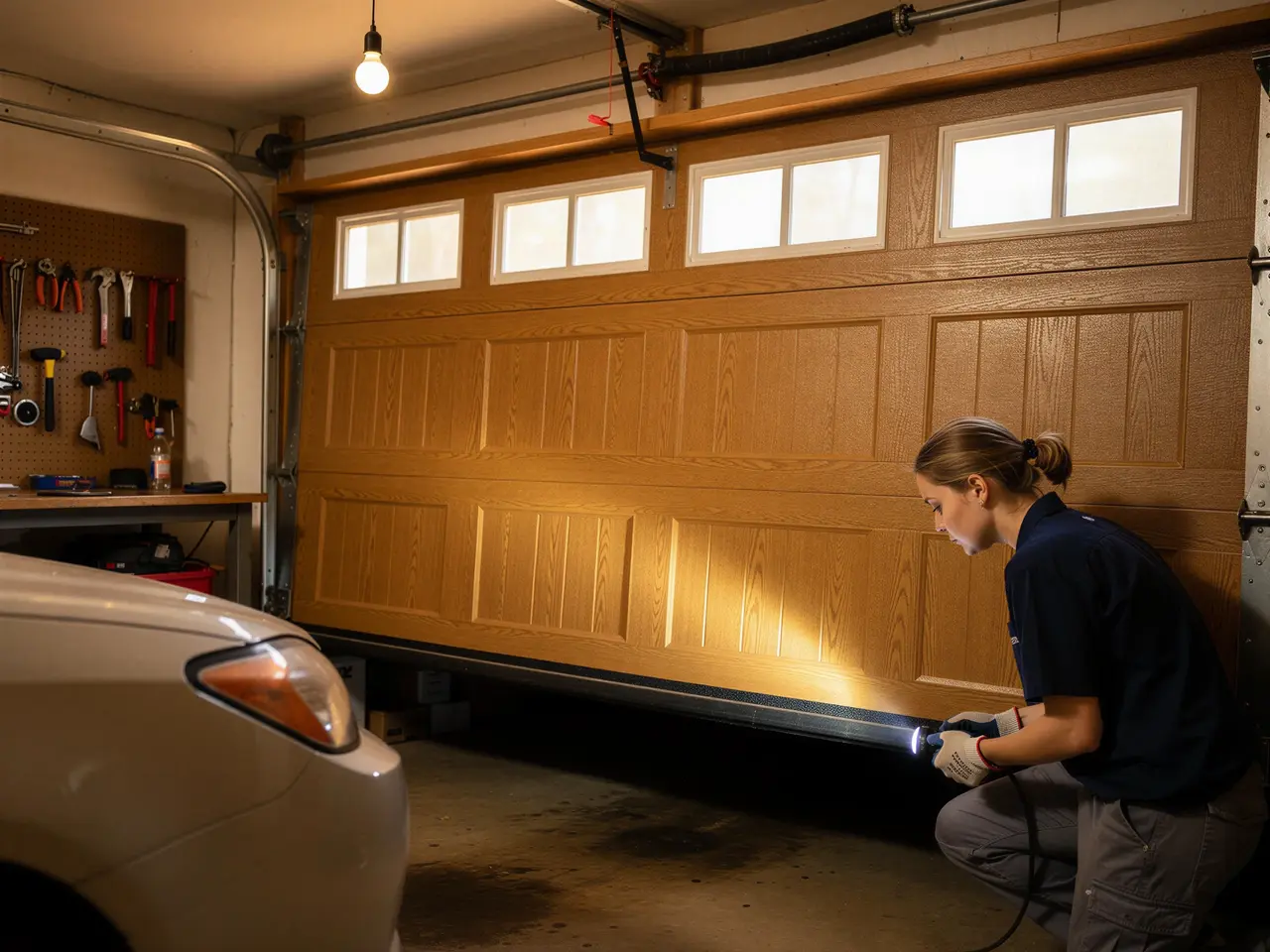
Garage Door Repair
Off-track doors, snapped cables, bent panels and grinding openers - diagnosed and fixed.
Learn more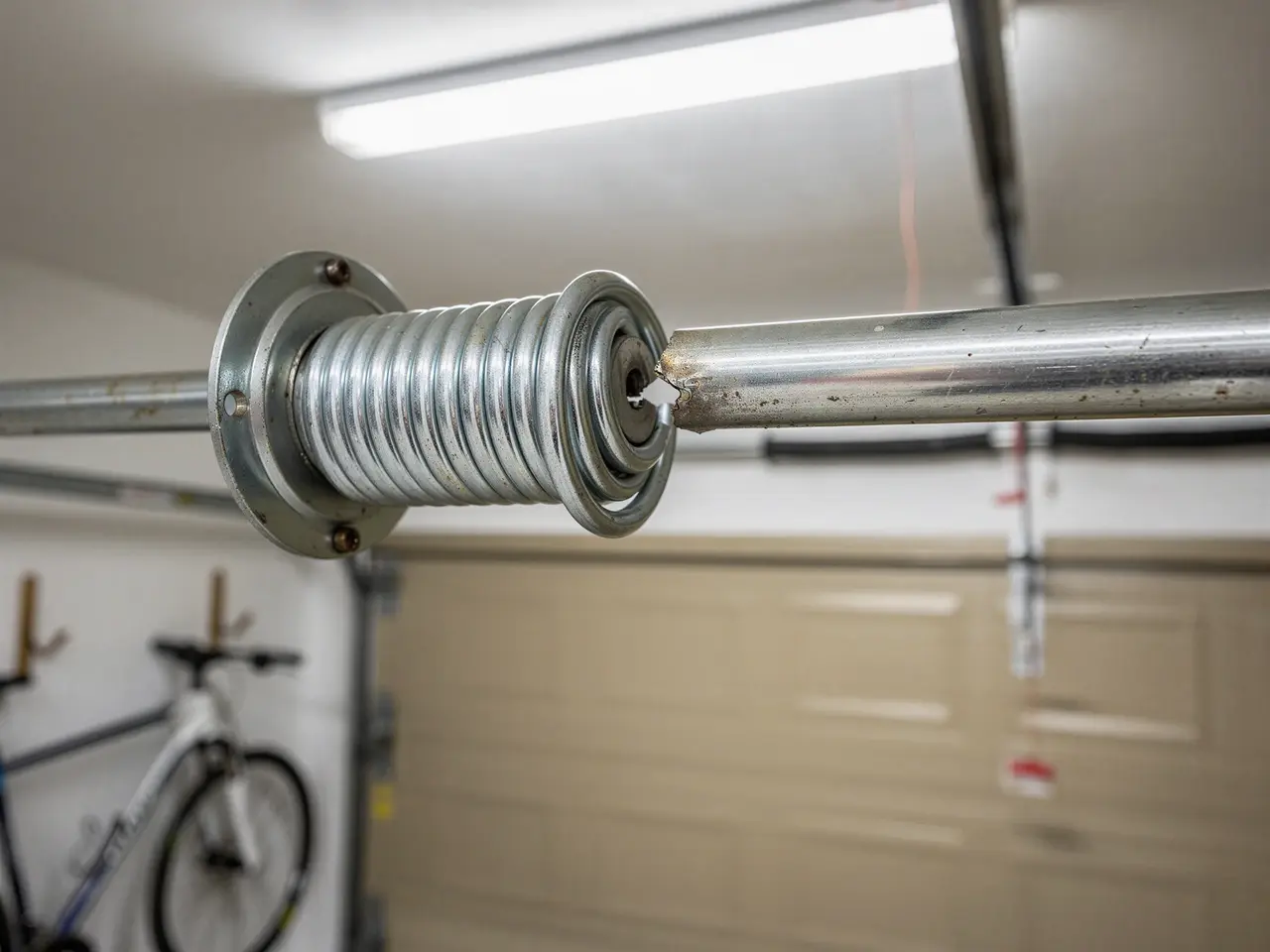
Spring Repair
Torsion and extension springs replaced safely - the job you should never DIY.
Learn more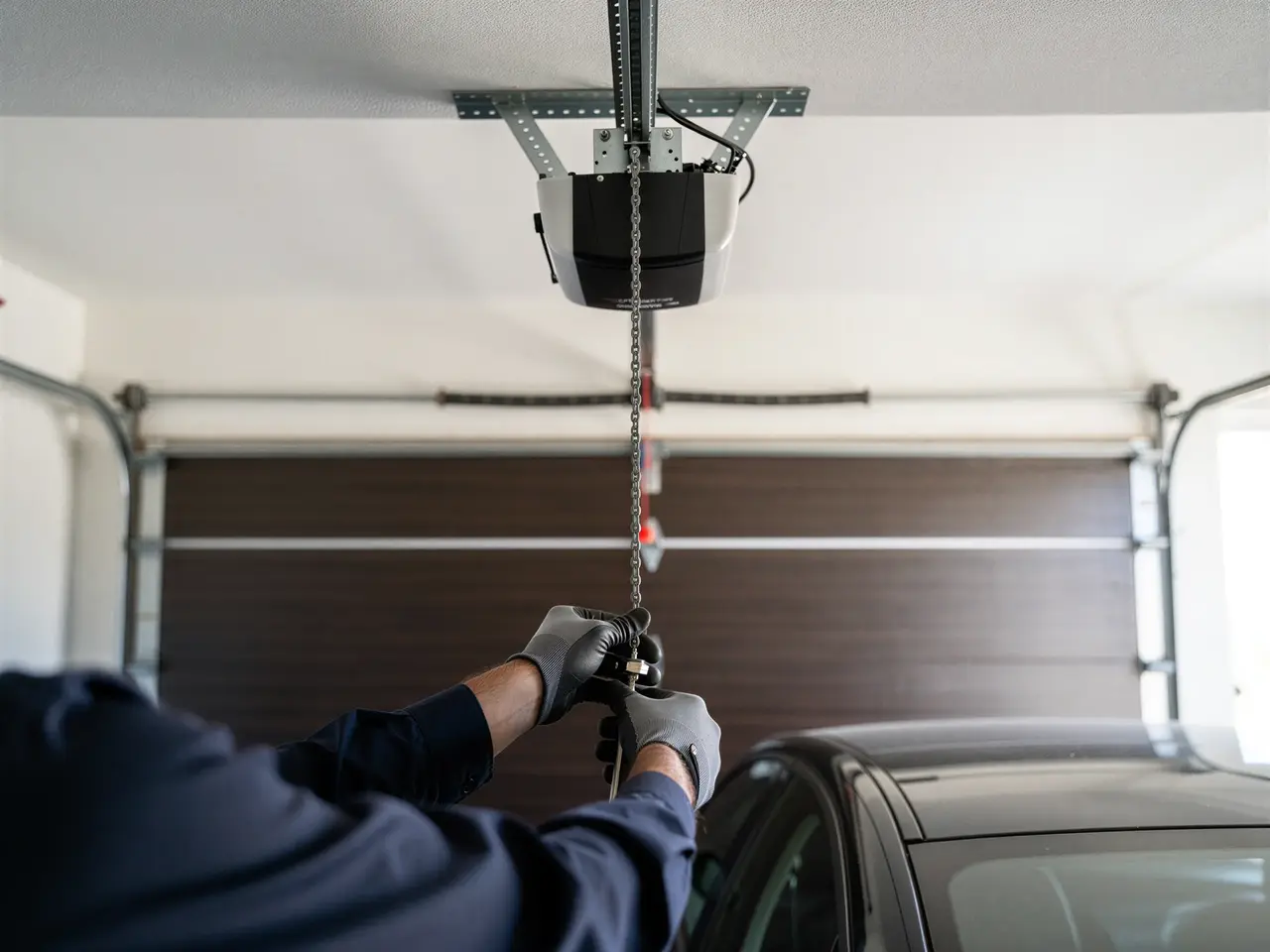
Opener Repair
Chain, belt and screw-drive openers, safety sensors and rolling-code remotes.
Learn more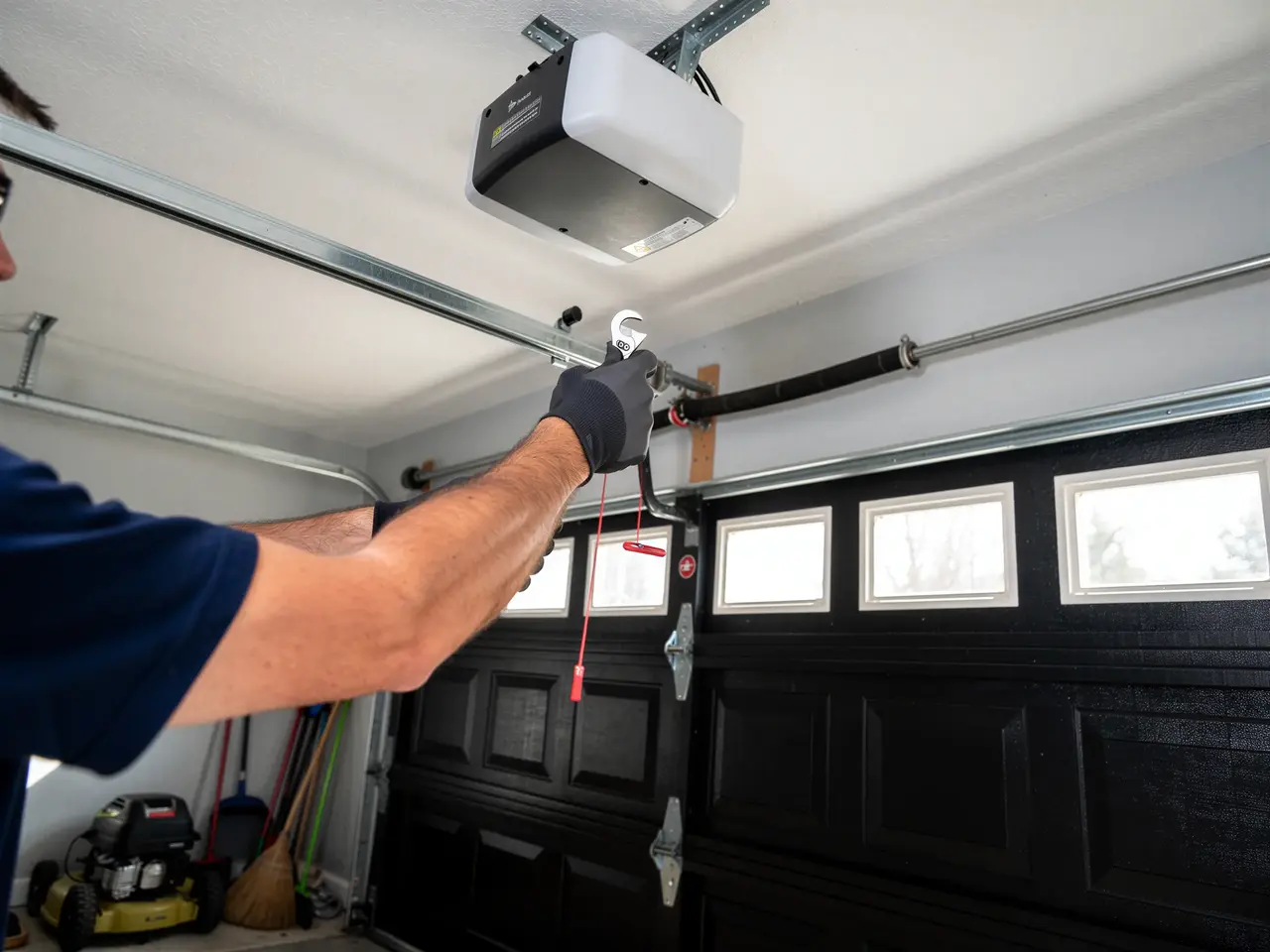
Opener Installation
New openers sized to your door, wired, programmed and safety-tested.
Learn more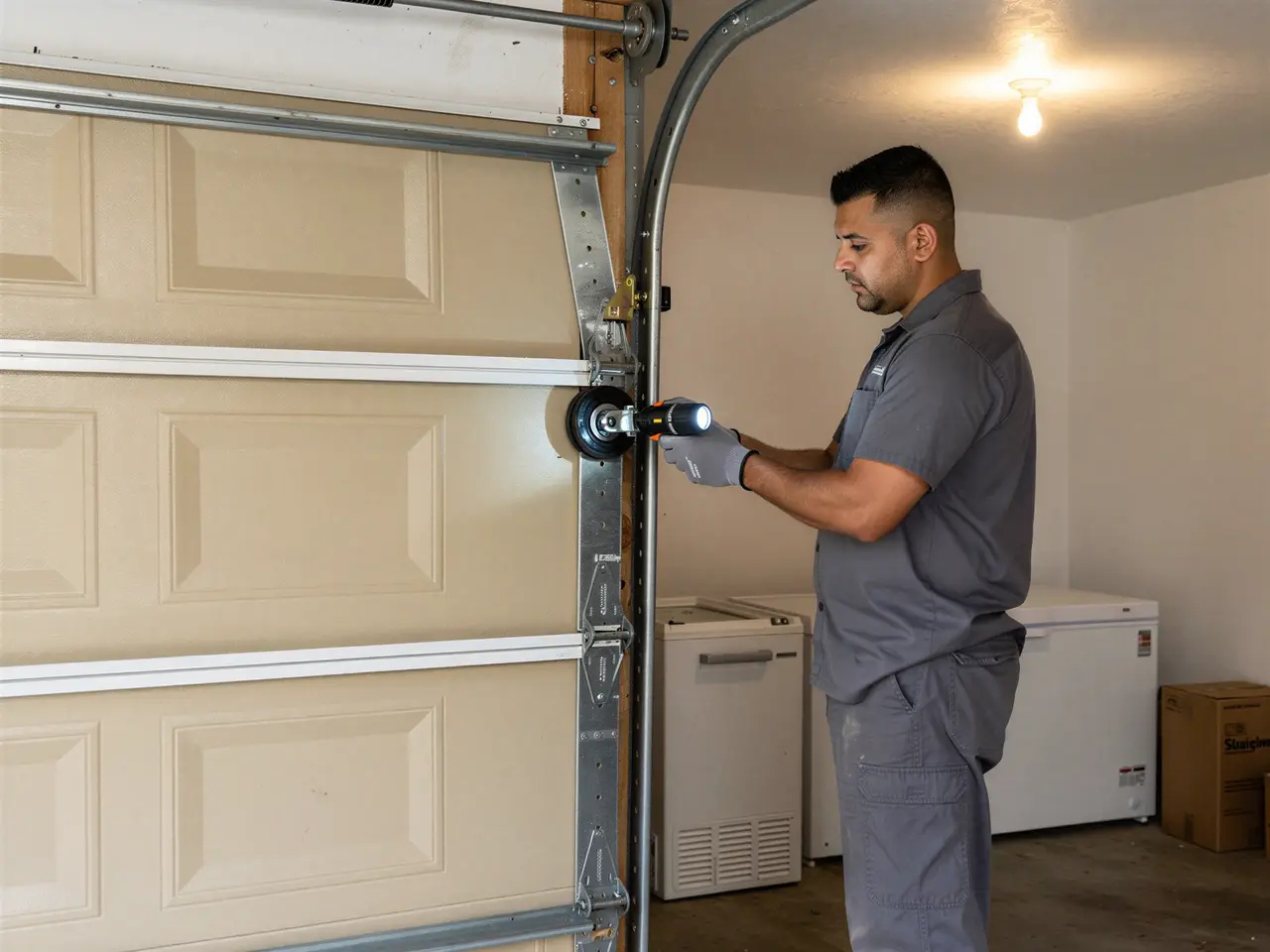
Off-Track Repair
Doors jumped the track re-set, aligned and re-tensioned so they run true.
Learn more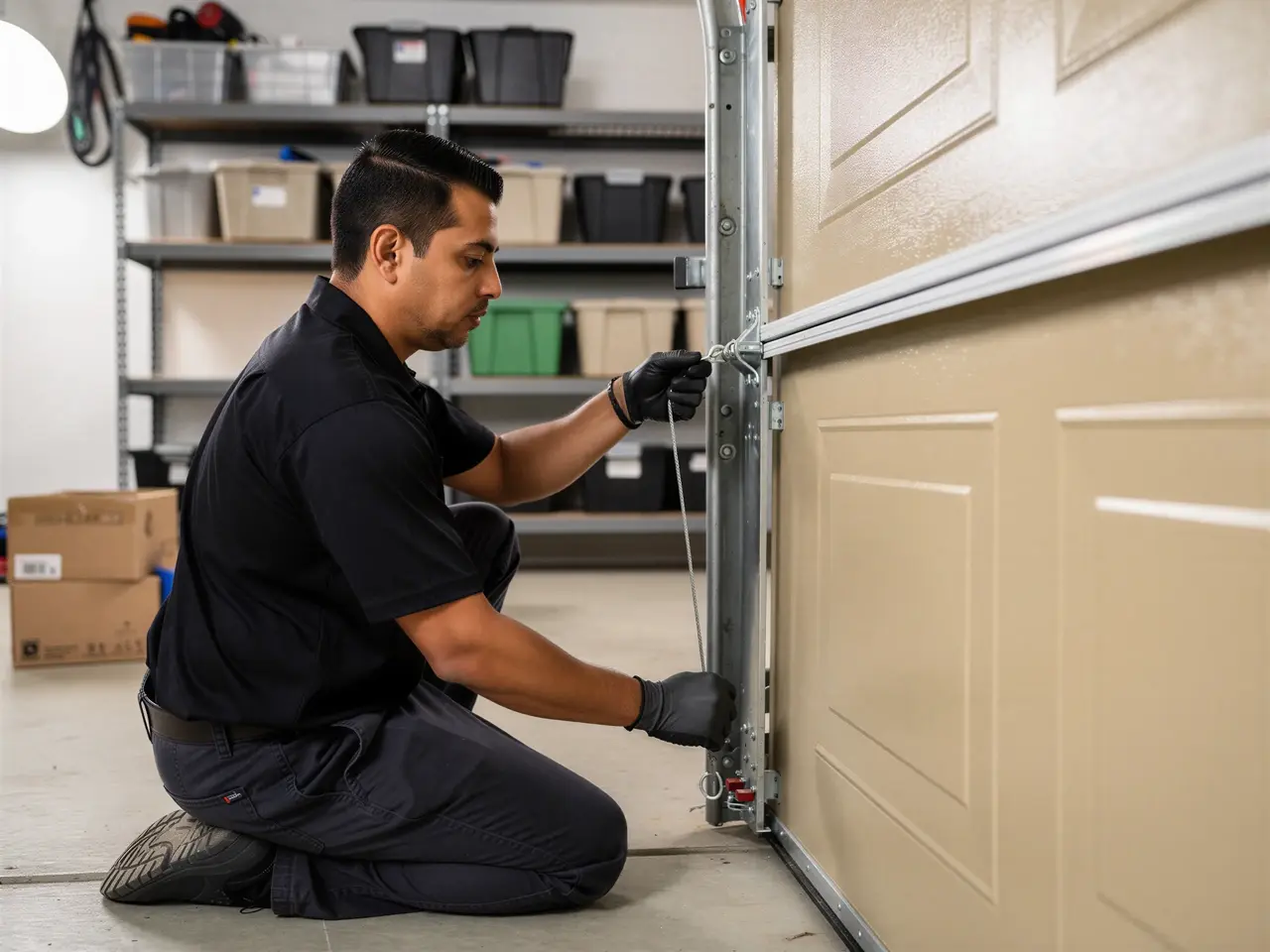
Cable Repair
Frayed or snapped lift cables replaced and balanced against the springs.
Learn moreCommon Problems
Garage door problems we fix in Farmington
A stuck or broken garage door can't wait. Call and tell us what the door is doing - a snapped spring, a frayed cable, a door off its track or an opener that won't respond - and leave a spring-loaded door closed until a tech has looked at it.
- Broken springs and snapped cables
- Doors off the track or stuck shut
- Opener, remote and sensor failures
- Noisy, slow or unsafe doors

Why Farmington Calls Us
How we work on Farmington garage doors
How It Works
Getting your door fixed is simple
Tell us the symptom
Call or request a quote and describe what the door is doing - noise, off-track, won't open.
On-site diagnosis
A tech inspects the springs, tracks, opener and panels and gives you a written price first.
Repaired or installed
Most repairs are done on the same visit; installs are scheduled around you.
Our Work
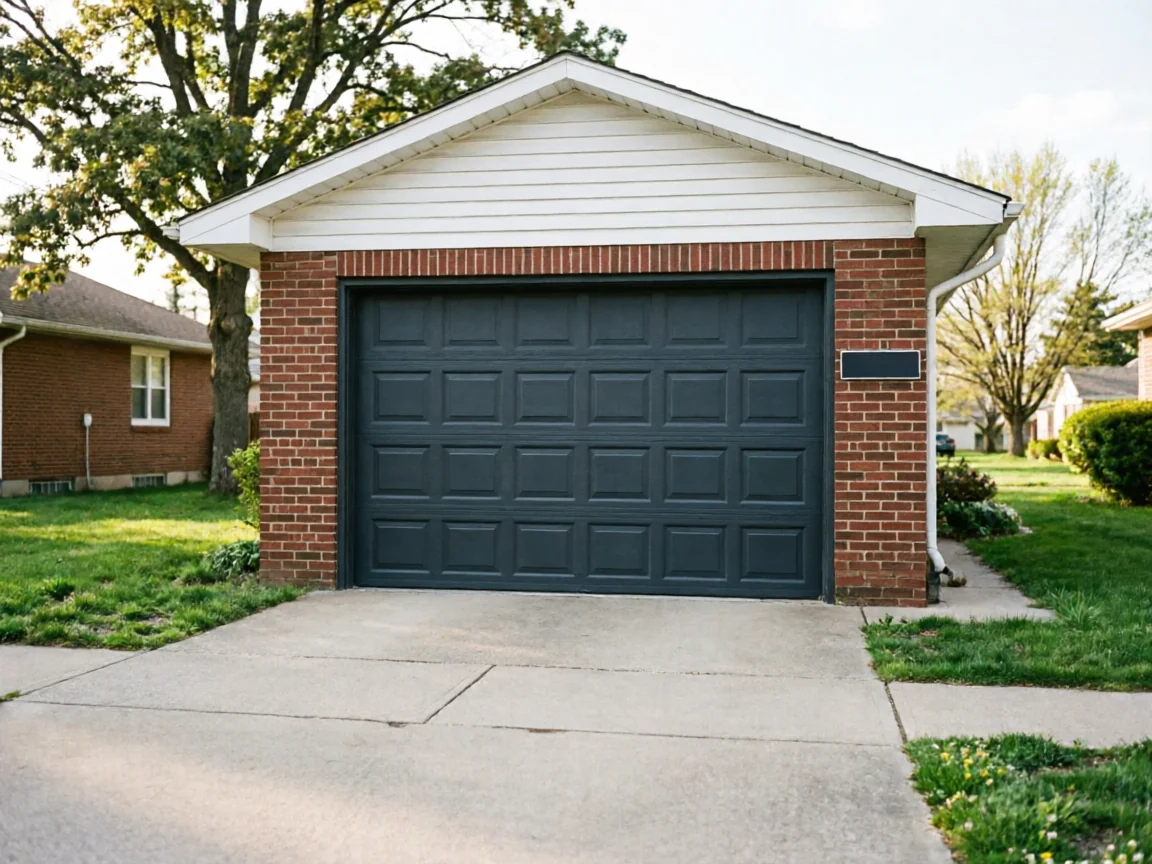
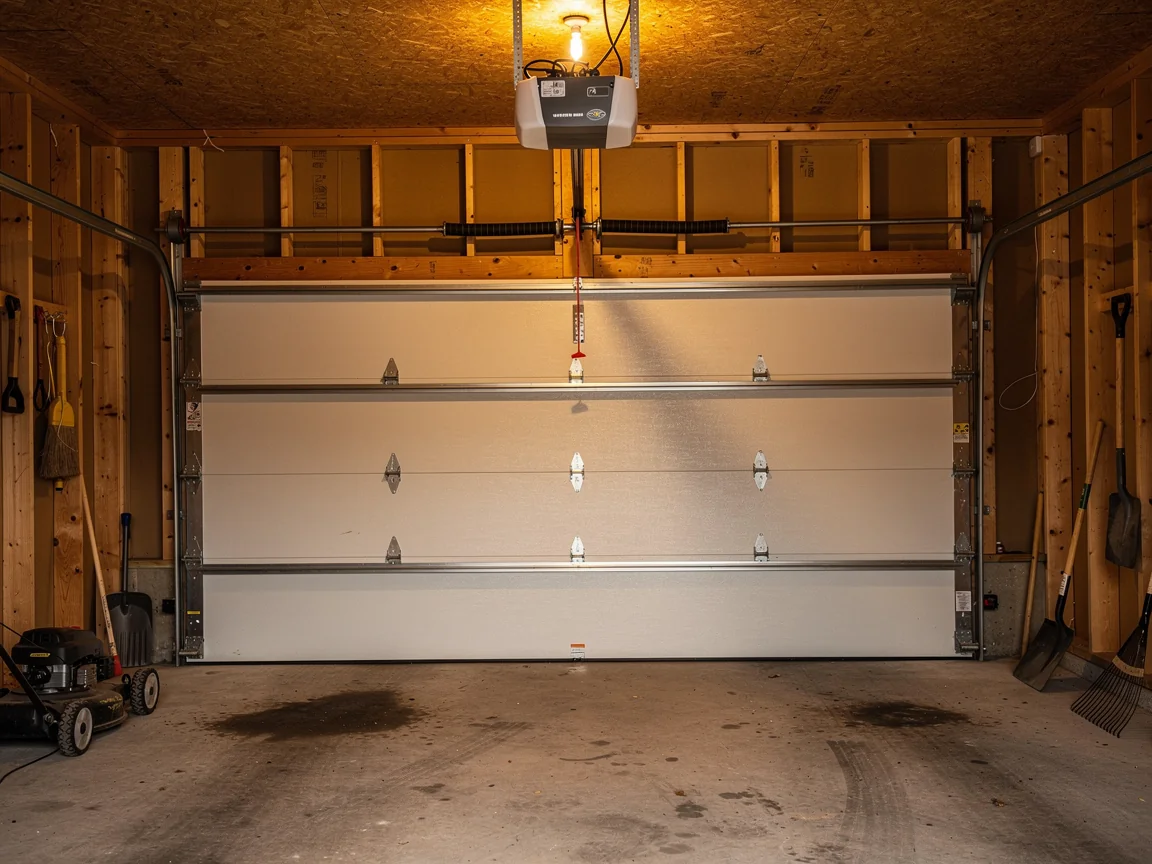
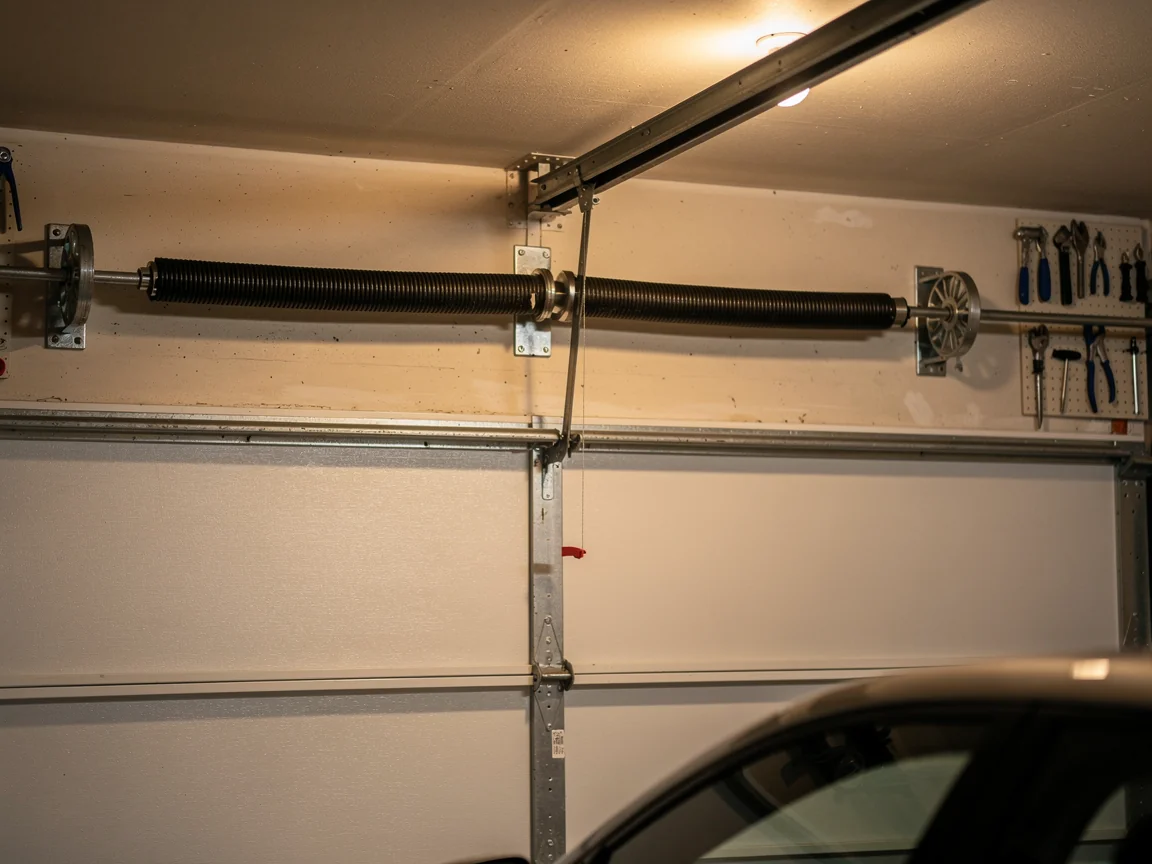
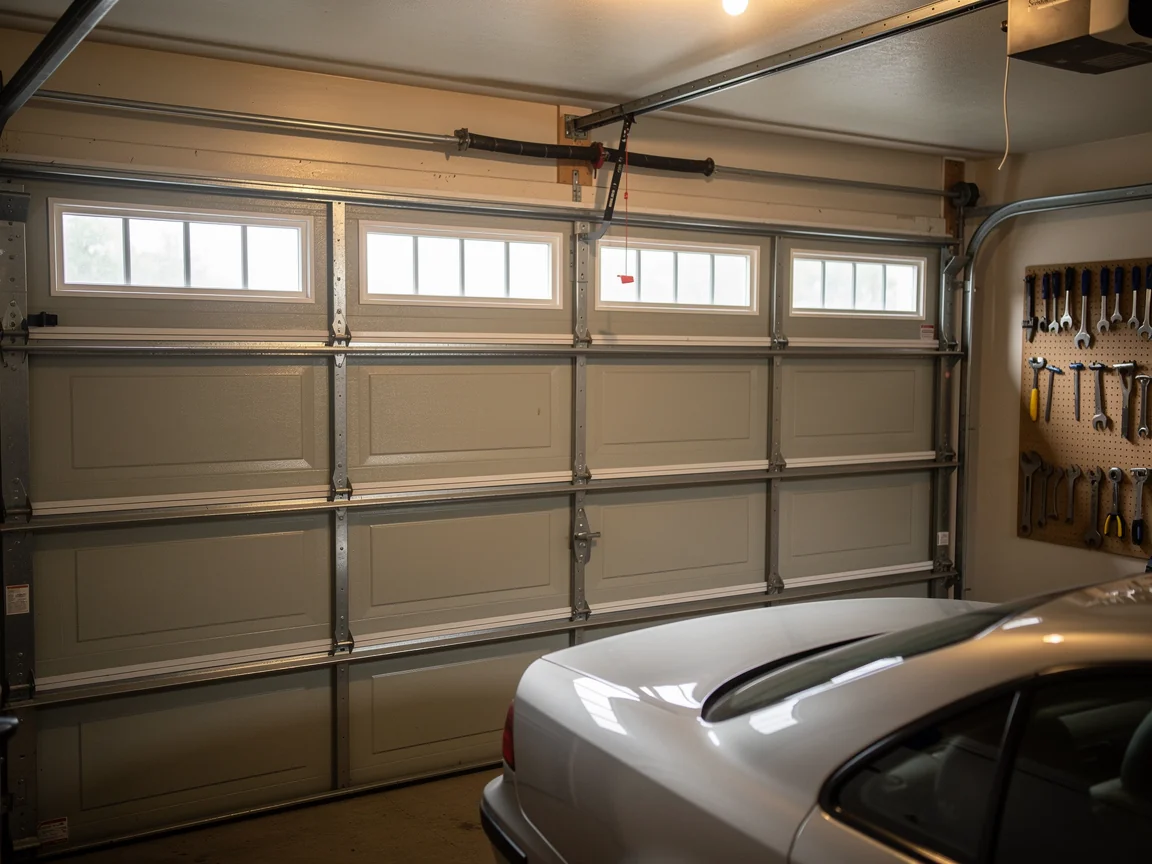
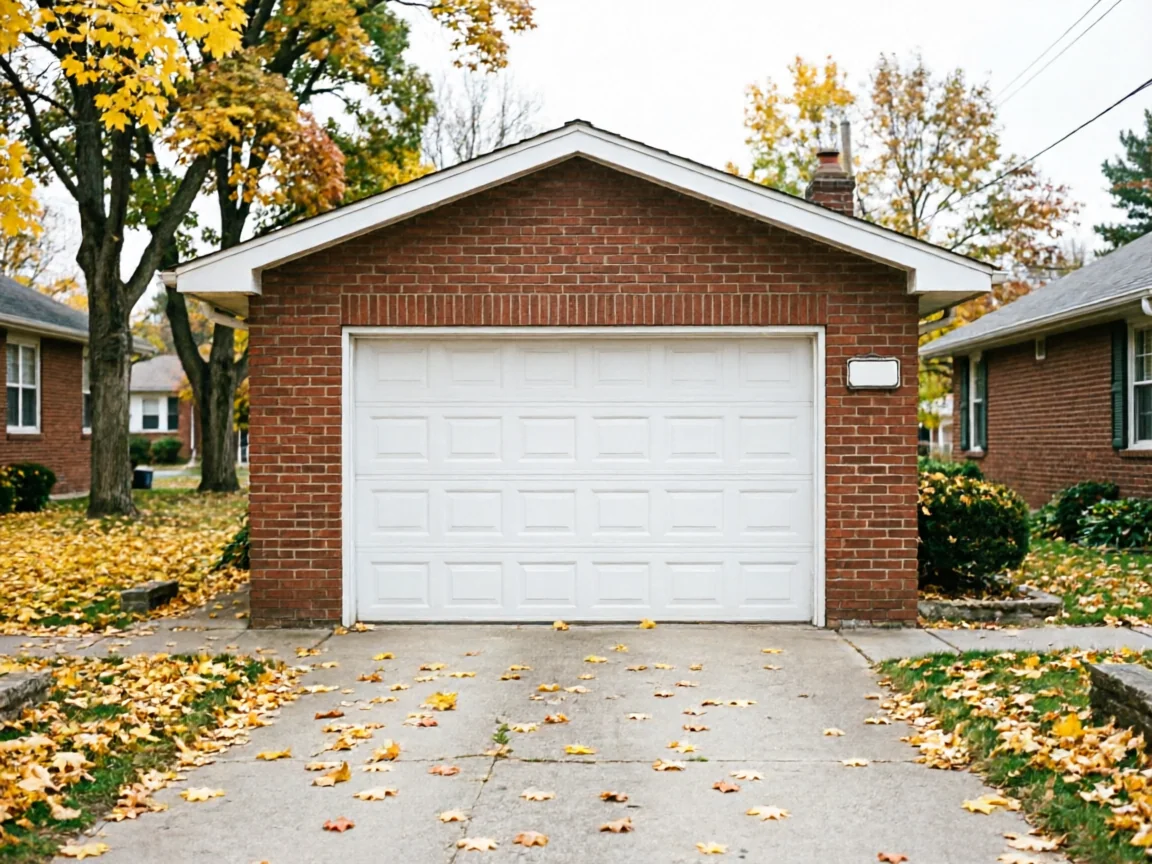
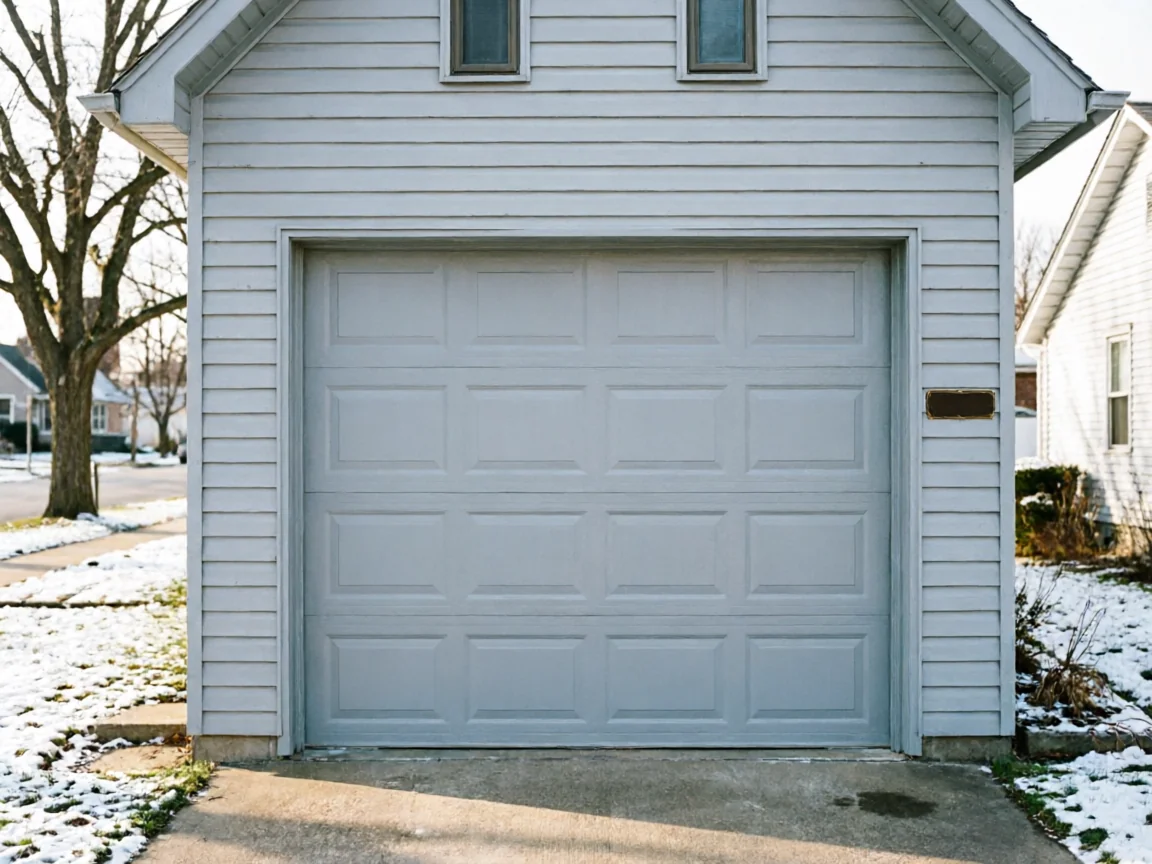
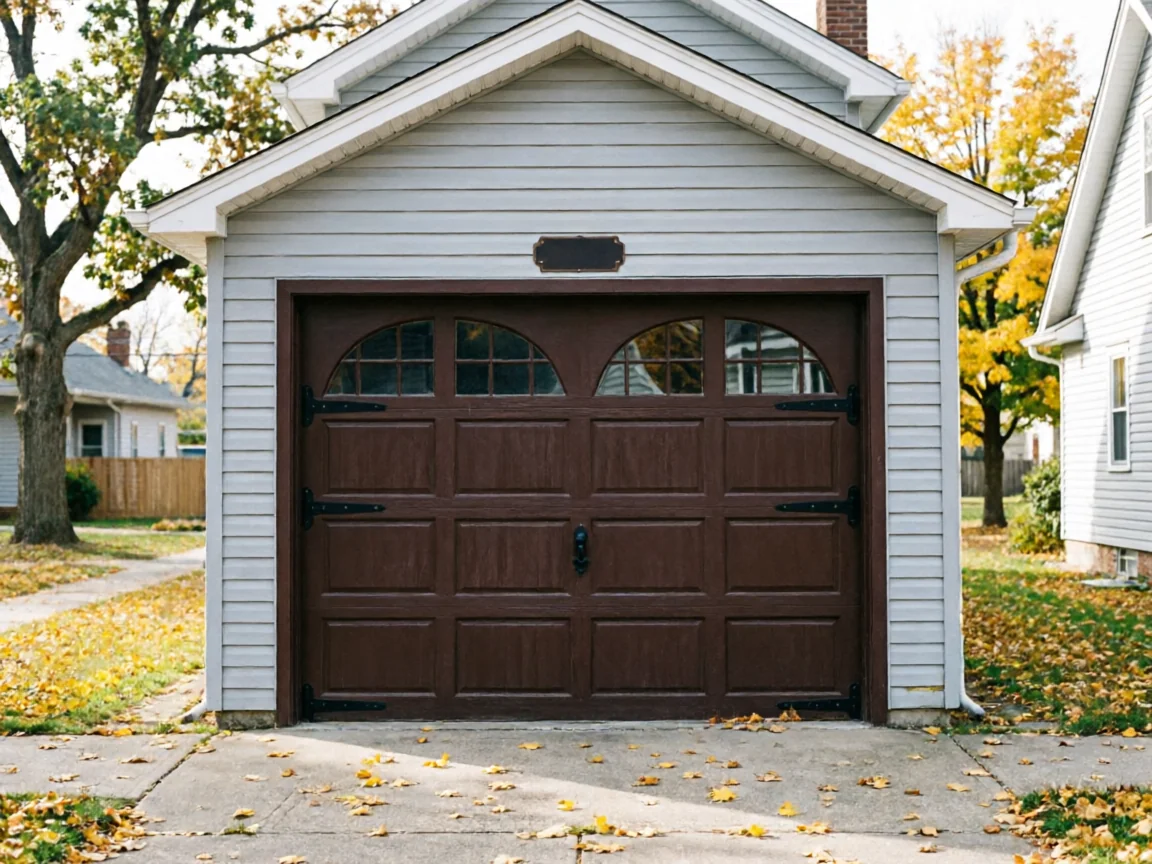
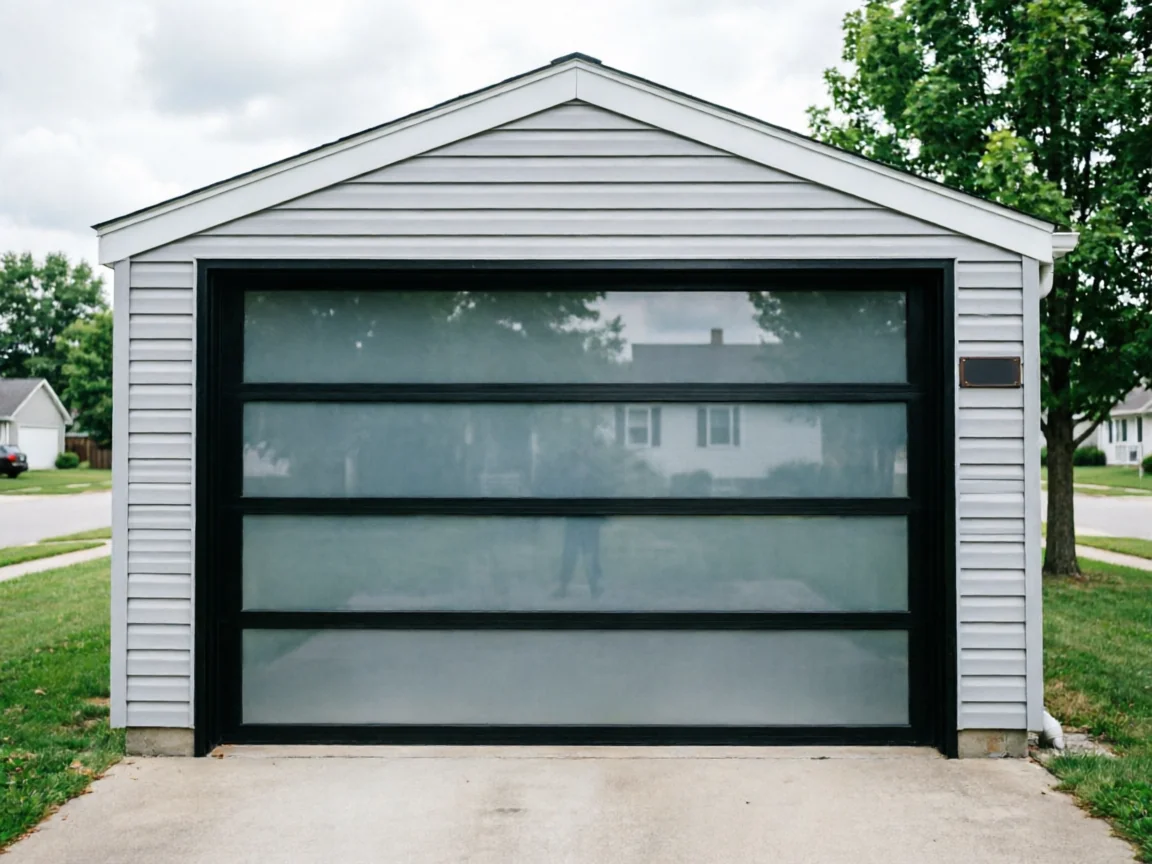
Recent garage door projects in Farmington
A look at doors, openers and springs we've installed and serviced across the Farmington metro.
Where We Work
Serving Farmington & nearby communities
Neighborhoods across the city and suburbs around the metro. Not sure if we reach you? Just ask.
Local Expertise
What to know about garage doors in Farmington
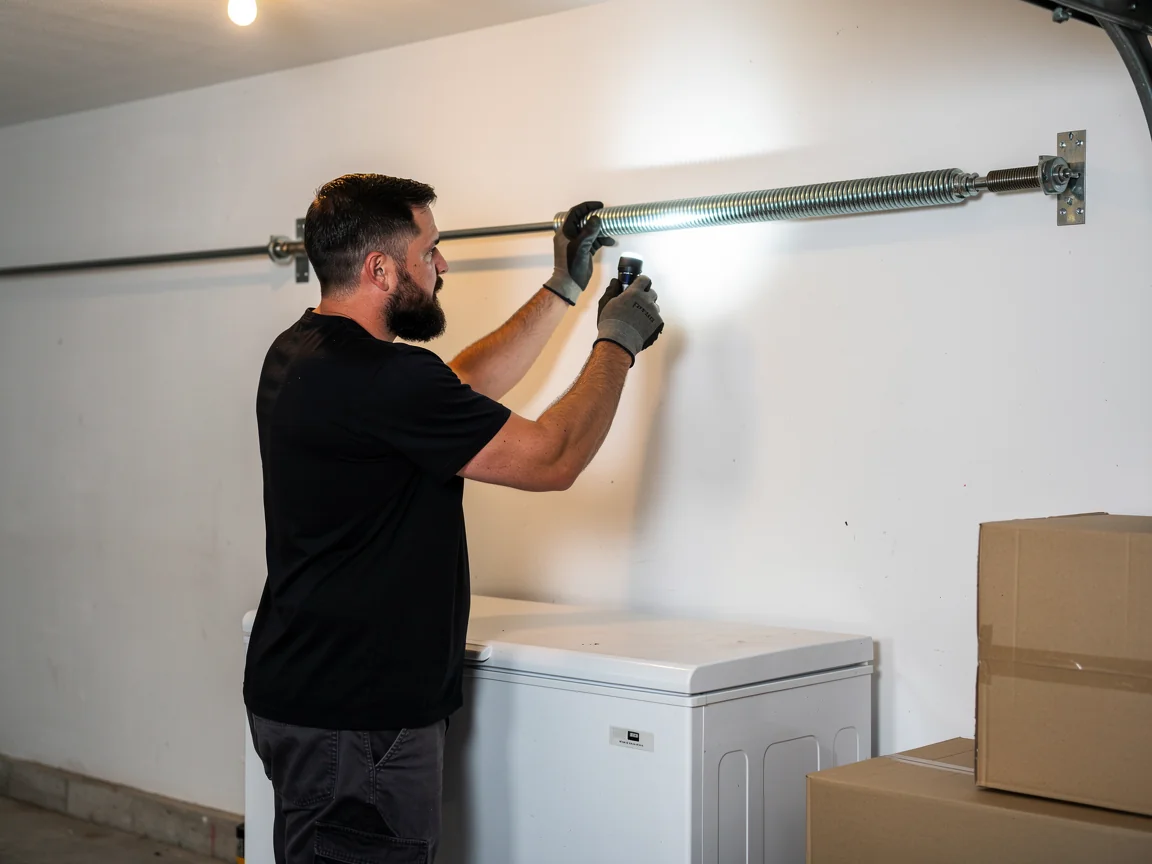
What Breaks Around Here
Most of the houses we get calls from went up between 1938 and 1986, and the median lands right around 1960. That matters more than people think. A door built for a house from that era usually carries a torsion spring sized for a steel panel that weighed less than what's on the track now, or it's running original hardware that nobody manufactures to spec anymore. We work a service area that stretches from Franklin, Northville, and Bingham Farms at six miles out, through Walled Lake and Plymouth, and as far as Whitmore Lake at nineteen miles. Across those 21 named areas, the stock runs heaviest in 1960s and 70s construction, which means a lot of the same bones: single torsion spring, lightweight steel panel, a side-mount opener bolted on sometime after the house was built. What breaks is predictable once you've seen enough of it - the spring fatigues from decades of cold-to-hot swings, the original rollers wear oval instead of round, and the cable starts fraying where it rode the drum for sixty years. If your street has brick ranches or splits from that window, you already know the door I'm talking about.
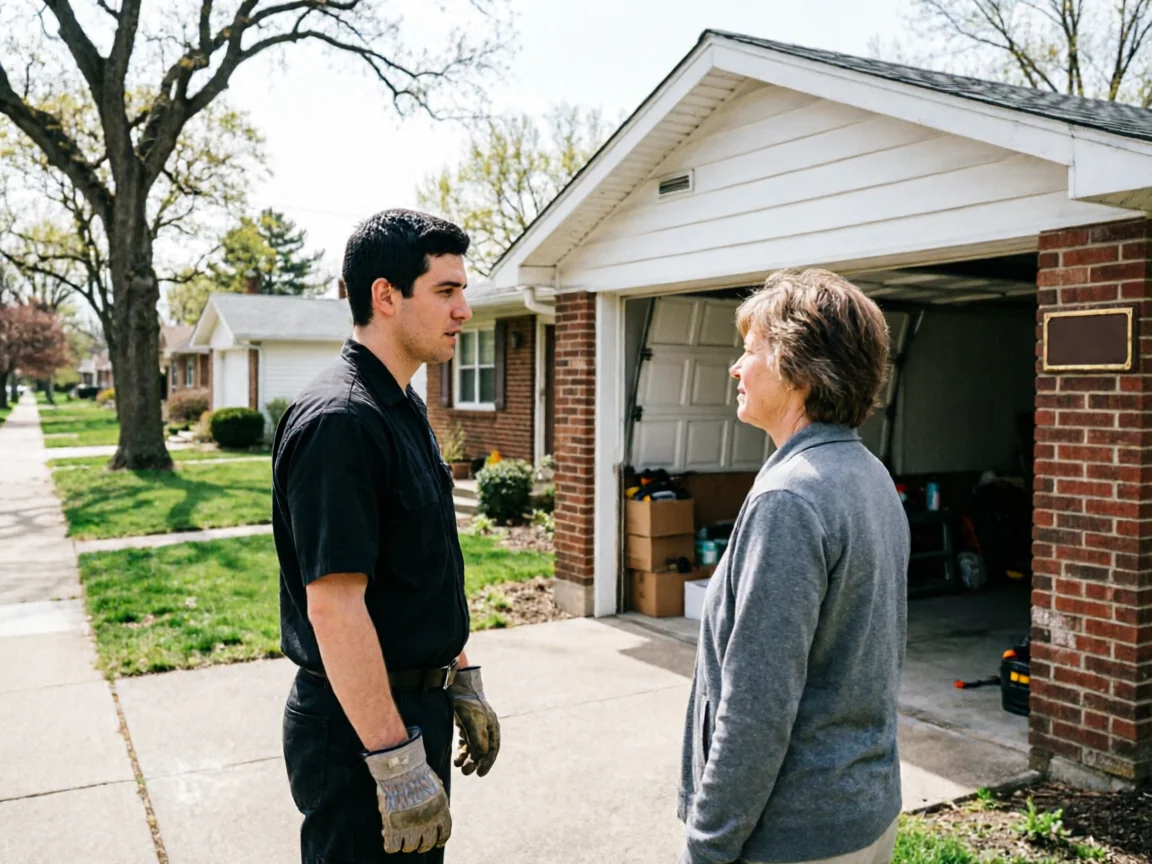
What You Pay For
You're not paying for a sales pitch. You're paying for someone to look at a spring, a track, or an opener and tell you honestly what's wearing out and what still has life left. On a house from this era, that often means matching a torsion spring to the actual panel weight rather than guessing - too light and it snaps early, too heavy and it strains the opener. It means checking whether the track is still square after decades of settling, which is common in houses built before 1986. Median household income across this area runs $99,286, and what that buys you is a shop that stocks hardware a step up from the cheapest roller and bracket on the shelf, not because anyone's flush, but because replacing a $4 roller every two winters costs more over time than doing it right once. You're also paying for someone who shows up, looks at the actual door in front of them, and doesn't upsell a full replacement when a spring and a set of rollers will carry the door another decade.
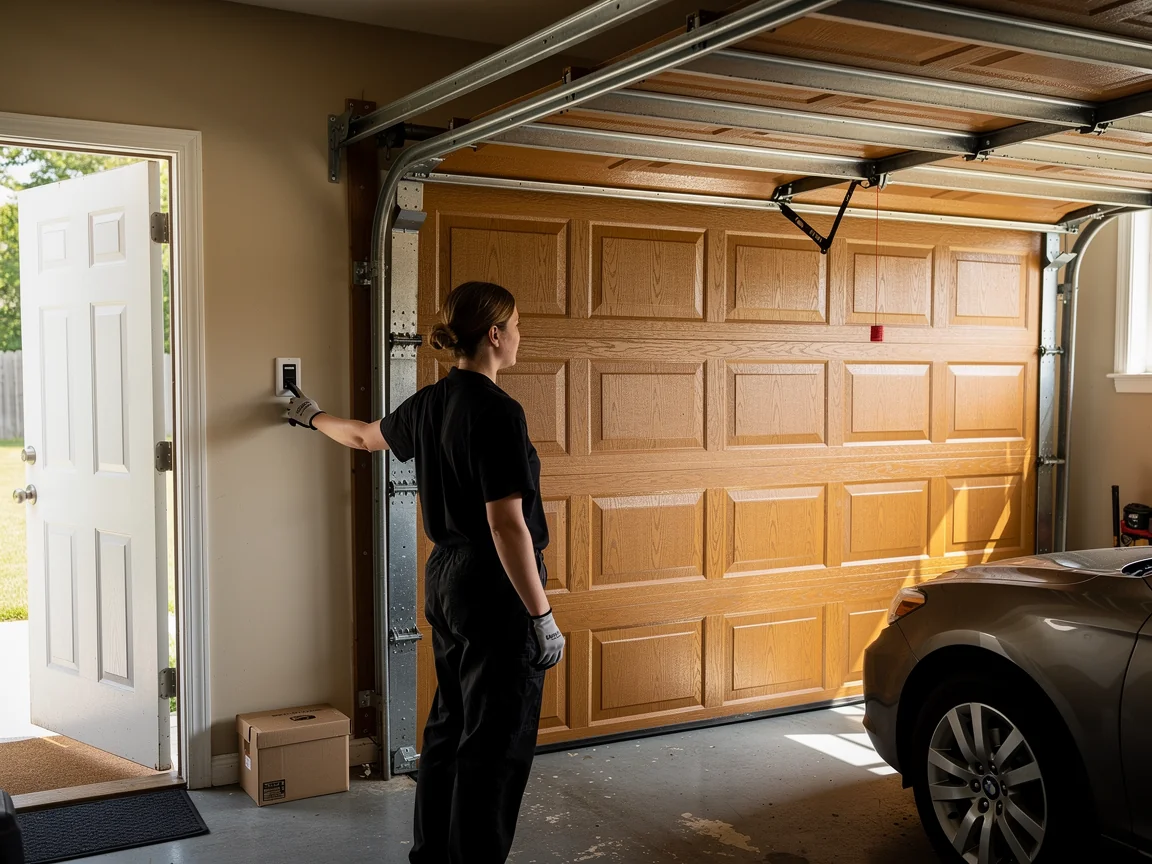
When Repair Is Not Worth It
Here's the honest part. If a door built in the 1960s or earlier has a steel panel that's rusted through at the bottom section, or the track is bent badly enough that it's been reshaped more than once, you're pouring money into a door that's going to keep failing. Original hinges and end bearings from that era are often not available new, and when we have to source used or adapt a modern part to an old frame, the labor adds up fast. If the spring, the opener, and the track are all failing at once - which happens when a door hits fifty-plus years without any part being touched - replacing the whole unit usually costs less over five years than three separate repair visits. We'll tell you straight when that's the case instead of patching it a fourth time. The flip side is also true: a stuck opener on a door with a sound panel and good track is almost always a cheap fix, and anyone telling a homeowner with that setup they need a new door is just padding the invoice.
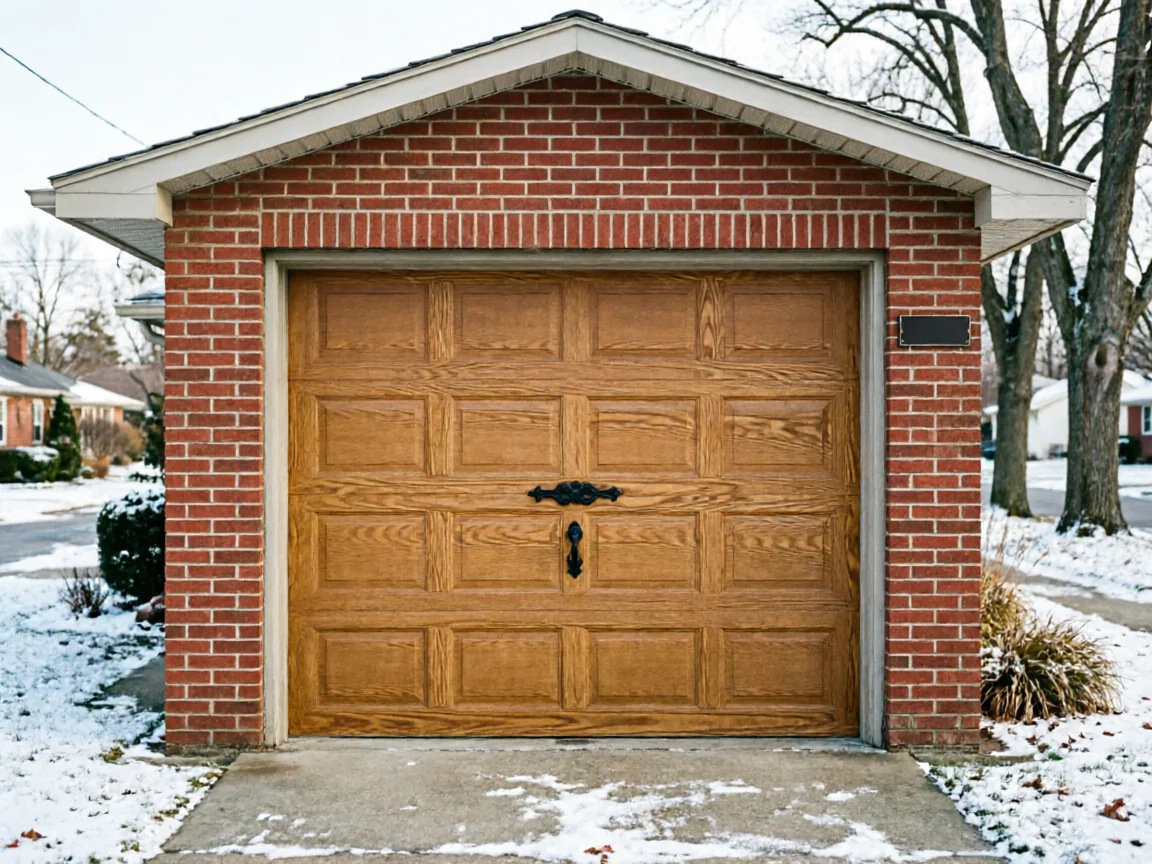
What Gets Built Around Here
The housing in this service area was built mostly between 1938 and 1986, with the median around 1960, and that range covers 21 named communities from Franklin and Northville six miles out to Belleville and Whitmore Lake nineteen miles out. Across that footprint there are 49,017 households, and 26,971 of those are owner-occupied houses - meaning most of the doors we work on belong to the person who answers the call, not a management company. That matters for how we approach a job: an owner living in a house built in 1960 wants the door to last, not just pass inspection before a sale. The construction from that era leans toward single-car and two-car attached garages with steel sectional doors added or replaced at some point after the house went up, which is why you'll see such a mix of opener brands and spring configurations on streets where the houses themselves look nearly identical.
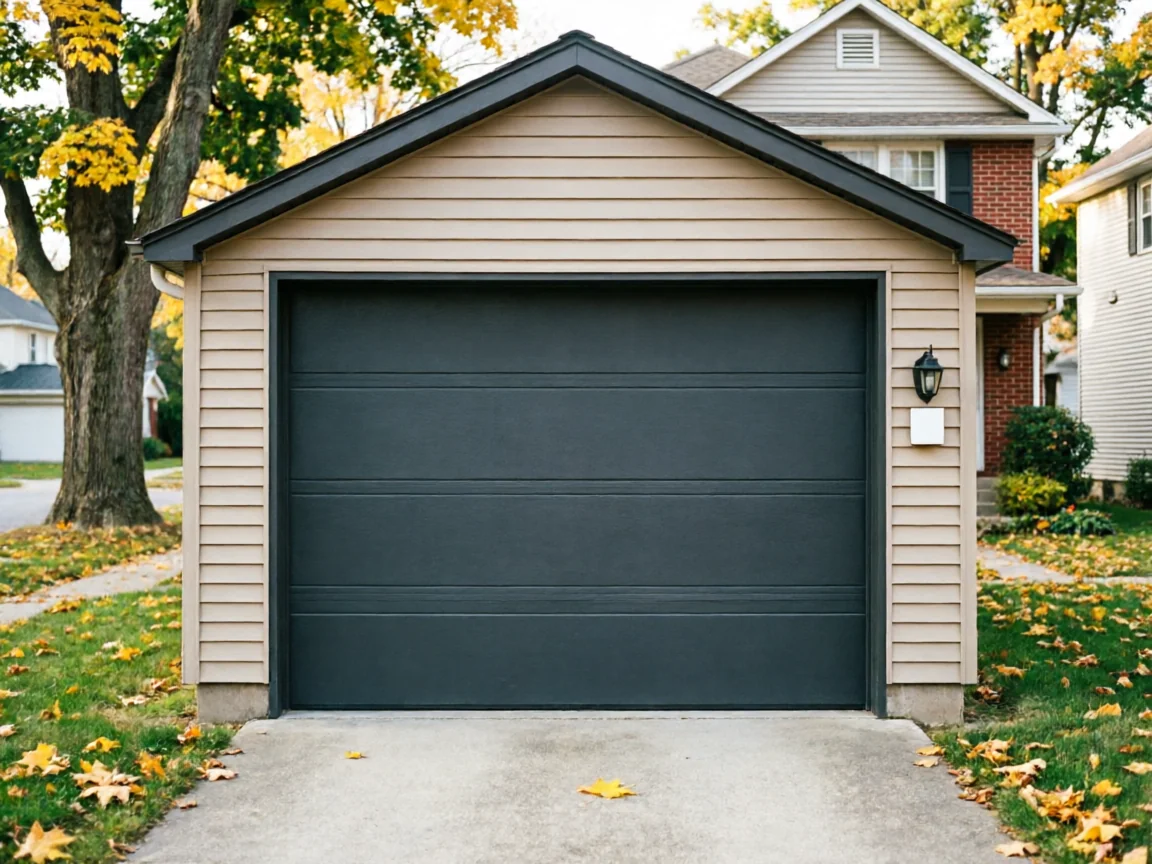
How the Visit Works
We come look at the door before we quote anything. On a house from the 1960s-70s stock that's common here, that means checking the spring tension against the actual panel weight, running the opener through a cycle to listen for strain, and checking the track alignment at the point where most of these doors start binding. If it's a straightforward spring or roller job, we carry the common sizes on the truck and do it that visit. If the track's been reshaped or the panel's rusted at the base - the kind of wear you see more on houses that hit fifty-plus years without a garage door looked at - we'll say so and talk through whether repair or replacement makes more sense for that specific door. We don't push a sale either direction. The climate here runs cold with real winter severity, and that's part of what we check too - weatherstripping and seal condition matter on a door that's sitting through hard freezes every year, not just the moving parts.
Good to Know
Frequently asked questions
Why does my spring keep breaking on a house this old?
Houses built around 1960, which is the median age in this area, often have original torsion hardware or a replacement spring sized for the wrong panel weight. Combined with severe cold swings, the spring fatigues faster than it would in a milder climate. Matching spring weight to the actual panel usually fixes repeat failures.
Do you work outside Farmington itself?
We cover a service area running from Franklin, Northville, and Bingham Farms at six miles out through towns like Walled Lake, Plymouth, and Milford, out to Belleville and Whitmore Lake at nineteen miles. If your town's on that list, we're already working your side of it.
Is it worth repairing an original 1960s door?
Often yes, if the panel is solid and the track is still square - a spring and roller set can carry an old door for years. If the panel's rusted through or the track's been bent and reshaped more than once, repair costs start stacking up past what replacement would run.
How do you decide what hardware to use?
We size the spring and rollers to the panel actually on the door, not a generic chart. Given the income and ownership levels in this area, most owners want hardware that lasts rather than the cheapest option, so that's what we stock on the truck.
Need a garage door fixed in Farmington?
Call now or request a quote - tell us what the door is doing and where you are.